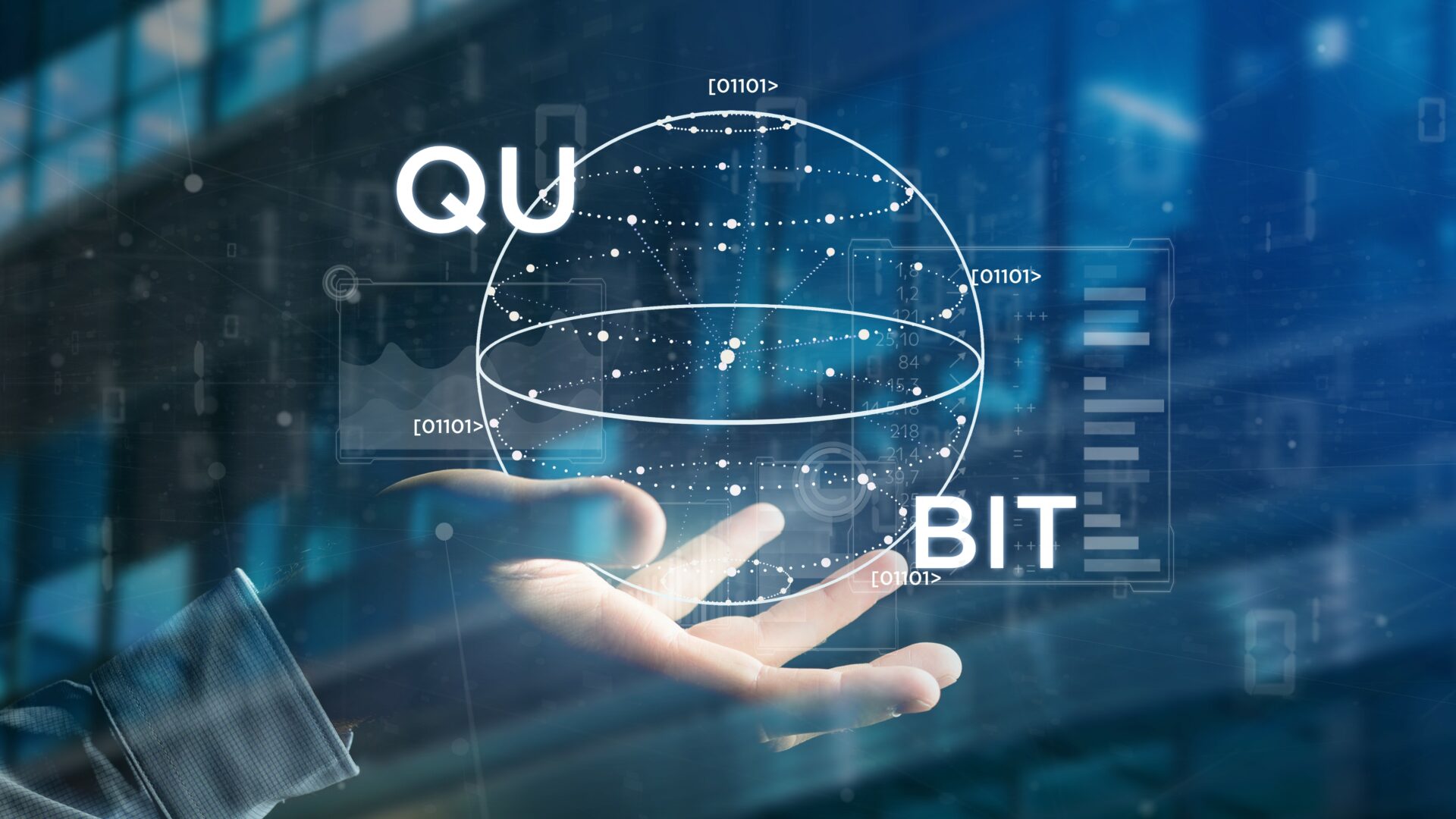
Building on the success of the last four years at ISC, the 5th Quantum and Hybrid Quantum-Classical Computing Approaches workshop continues to explore the forefront of quantum computing and its integration with classical systems. In particular, the workshop serves as a platform to showcase advancements in hybrid quantum-computing integration, software, middleware and applications that are relevant to the ISC community. It offers a well-rounded program of contributed talks, invited speakers, and a welcoming environment where attendees can engage and exchange ideas on the current and future landscape of hybrid quantum computing.
In true spirit of ISC26 theme, Connecting the Dots, in this workshop we aim at connecting the very best of HPC practices, lessons learned and future directions, with the integration of quantum computers and their software stacks, as well as other transformational technologies (e.g AI). We will provide the audience with insights to novel hybrid quantum-classical applications integrating NISQ devices with classical frameworks to solve real-world challenges, as well as diversified talks on different quantum architectures, benchmarking strategies, advances in error correction and mitigation methods, inviting leaders in different sectors of quantum hardware and software design.
Quantum computing is evolving at a remarkable pace, driven by rapid advancements in hardware design and algorithmic innovation. The global landscape now features a highly diverse range of quantum technologies for computing, each offering unique trade-offs in scalability, performance, and reliability. However, the current generation of quantum computers, often referred to as Noisy Intermediate-Scale Quantum (NISQ) devices, remain limited in their ability to solve real-world problems independently and at scale. To achieve meaningful computational breakthroughs today, it is broadly agreed within the computing community that these systems should be integrated with classical HPC environments, where the QPU accelerate a specific portion of a problem and the HPC solves the remaining, bigger, part. Integration is a complex multimodal challenge, involving hardware, software, middleware and applications design, and is key to moving the community closer to early Fault Tolerant Quantum Computing (FTQC).
This workshop directly addresses that integration challenge. By focusing on hybrid quantum-classical computing approaches, it provides a practical and forward-looking stage where the HPC and quantum communities converge. The workshop explores how quantum acceleration can be effectively embedded in classical simulation pipelines. It also examines the role of HPC infrastructures as key enablers for developing, benchmarking, and deploying quantum applications at scale.
Workshop organisers:
- Professor Vassil Alexandrov (STFC Hartree Centre)
- Dr. Stefano Mensa (NVIDIA)
- Laura Schulz (Argonne National Laboratory)
- Professor Travis Humble (Oak Ridge National Laboratory)
- Professor Dieter Kranzlmueller (Leibniz Supercomputing Centre)
Full agenda TBC
Submit your paper
We look forward to seeing you there!
Important dates:
- 17 April 2026 | Abstract submission deadline
- 30 April 2026 | Notification of acceptance
- 1 March 2026 | Workshop/conference early registration
- 26 June 2026 | Workshop
Find out more about ISC26
Further information
Should you require any assistance or more information, please send an email to Professor Vassil Alexandrov: vassil.alexandrov@stfc.ac.uk