Mary Coombs: The legacy behind our new supercomputer
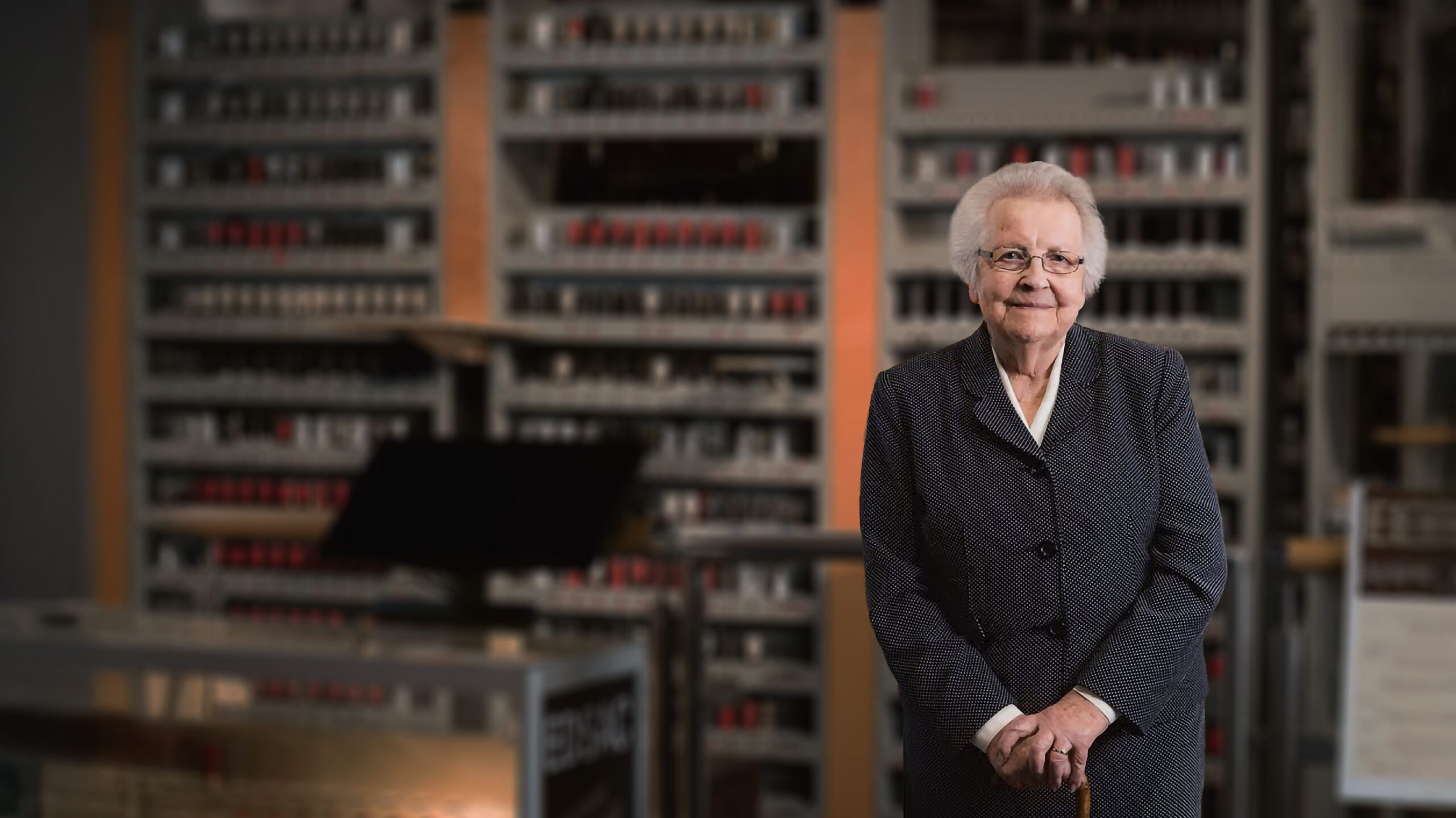
We were proud to launch our new supercomputer in October 2025, which is named in honour of Mary Coombs, a pioneer whose legacy helped shape modern computing. Often recognised as the world’s first female commercial programmer, Mary Coombs’ contributions to technology and innovation reflect the values we champion today. As we look to the future of digital transformation, we are grounding our progress in the foundations laid by remarkable figures like Mary Coombs.
Who was Mary Coombs?
Mary Coombs made history when she became the first woman to work professionally as a commercial programmer. In the 1950s, she joined the team working on LEO (Lyons Electronic Office), the world’s first business computer. At a time when computers were the size of rooms and coding machine language was physically represented by holes in paper like punched cards, Mary Coombs’s work helped automate everyday business tasks such as payroll, stock control and supply chain operations, activities that are now commonplace and essential in every industry.
She was not just breaking new ground in terms of technology; she was also breaking gender barriers in a field that was, and in many ways still is, underrepresented by women. Her career demonstrated that technical excellence and innovation were possible across all boundaries and that meaningful progress depends on inclusive, collaborative effort.
Why name our supercomputer after her?
At the Hartree Centre, we are committed to accelerating the adoption of high performance computing (HPC), AI and data science for societal and industrial benefit. In Mary Coombs, we see a figure whose life and career exemplify the ethos behind our work, helping to drive innovation, accessibility and the application of science for societal and economic impact.
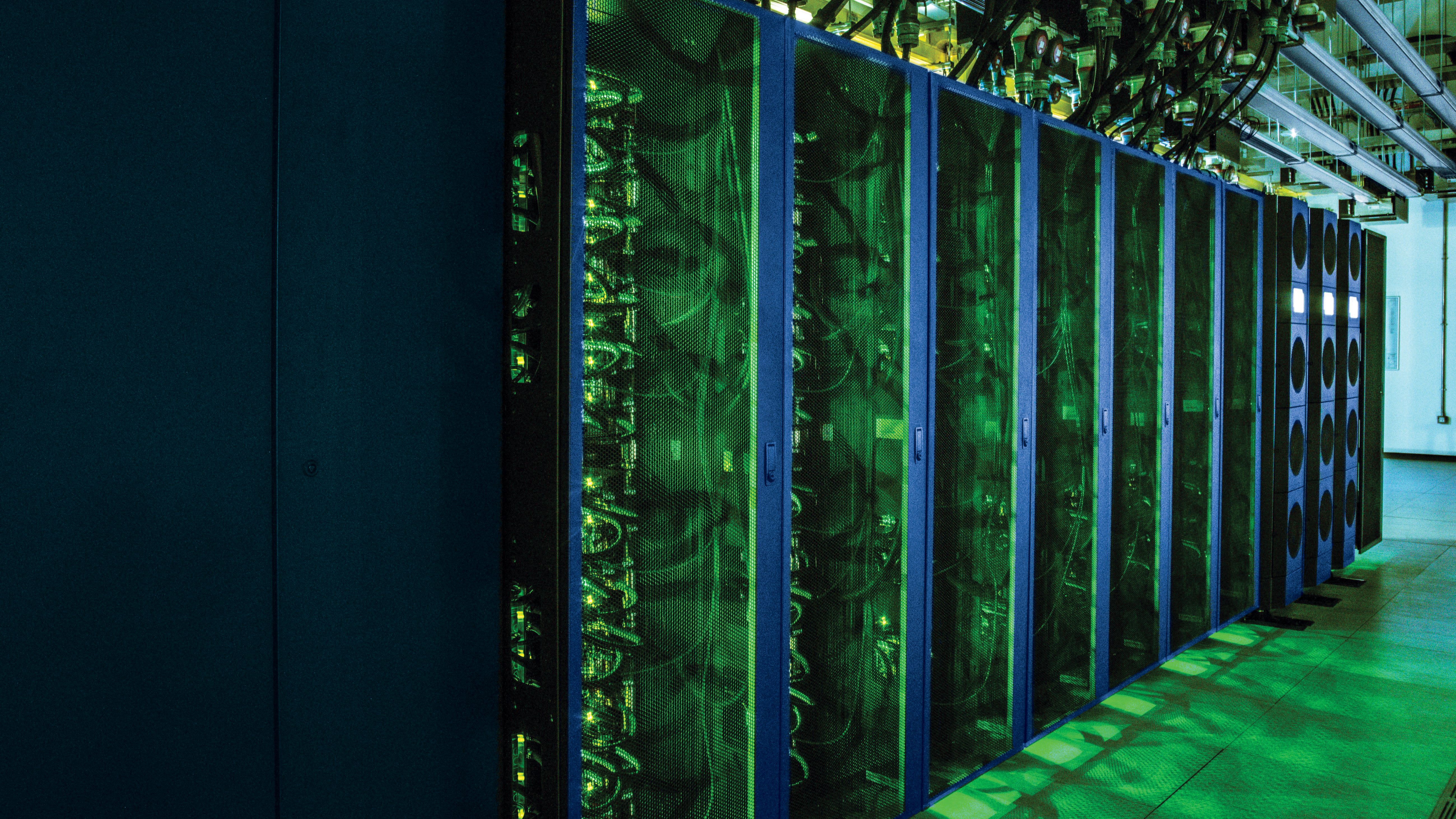
The LEO computer Mary Coombs helped programme was revolutionary for its time. While LEO processed one calculation at a time using 34-bit words, our new system is on average capable of 24.4 petaflops, or 24.4 quadrillion operations per second. To put that into perspective, if LEO were to match our new supercomputer’s performance, it would need to cover the Earth’s surface over 10,000 times. That exponential leap in computational power is a powerful symbol of how far we have come and a reminder that today’s breakthroughs are built on yesterday’s foundations.
Bridging the gap between industry and research
One of Mary Coombs’s most significant contributions was helping businesses harness computing power to solve everyday problems. At a time when computers were viewed as niche scientific tools, her work helped make them practical and accessible for commercial use. In that spirit, we aim to bridge the gap between cutting-edge research and practical application. We work with organisations of all sizes, from SMEs to global corporations, to explore how digital technologies can drive growth and innovation. To support UK industry we are enabling them to integrate digital-first solutions for modern challenges, from simulating battery performance for electric vehicles to improving weather modelling and supply chain logistics.
Honouring the Hartree connection
Mary Coombs and her colleagues named their workplace “Hartree House” in honour of Douglas Hartree, a trailblazer in scientific computing. The Hartree Centre is also named after him, reflecting our shared history and commitment to advancing computational science. Today, we continue to push the boundaries he once explored, developing advanced tools and platforms to support innovation in fields from healthcare to manufacturing.
Supporting skills and training
Mary Coombs was not just a programmer, after leaving the LEO team, she when onto upskilling others in computing, teaching programming courses and sharing her technical expertise through education. She understood that real progress requires not just innovation, but the ability to share knowledge and inspire others. We are equally committed to upskilling the UK workforce through accessible training in advanced digital technologies. We run a range of curated and bespoke hands-on training courses, webinars, workshops and events throughout the year to open up the potential of supercomputing, data analytics and AI to new audiences and train the next generation of digital experts.
Unlocking digital opportunities
The LEO team worked with some of the UK’s most iconic institutions, including the Met Office, helping them to create the first code for weather prediction. Similarly, the Hartree Centre has also worked with the Met Office, where we are also helping to build programmes like PSyclone to improve weather prediction services.
By naming our new supercomputer after Mary Coombs, we celebrate her extraordinary contributions and honour a legacy that continues to inspire. Mary Coombs helped shape the past and opened doors to the future and it’s our privilege to continue that journey.
Her story is a reminder that innovation is not just about machines; it’s about people, progress and the power of ideas to change the world.
Join Newsletter
Provide your details to receive regular updates from the STFC Hartree Centre.