
Preventative medicine: understanding the cause of gum disease with AI
STFC Hartree® Centre and IBM collaborated with Salient Bio to develop a machine learning-enabled pipeline to categorise the oral microbiome and to further our understanding of gum disease through the Hartree National Centre of Digital Innovation (HNCDI).
Read More
New UK centre to fast-track brain-inspired computing for AI
A new generation of brain-inspired computing technologies could lead to smarter AI and more efficient technologies for an increasingly data-driven world.
Read More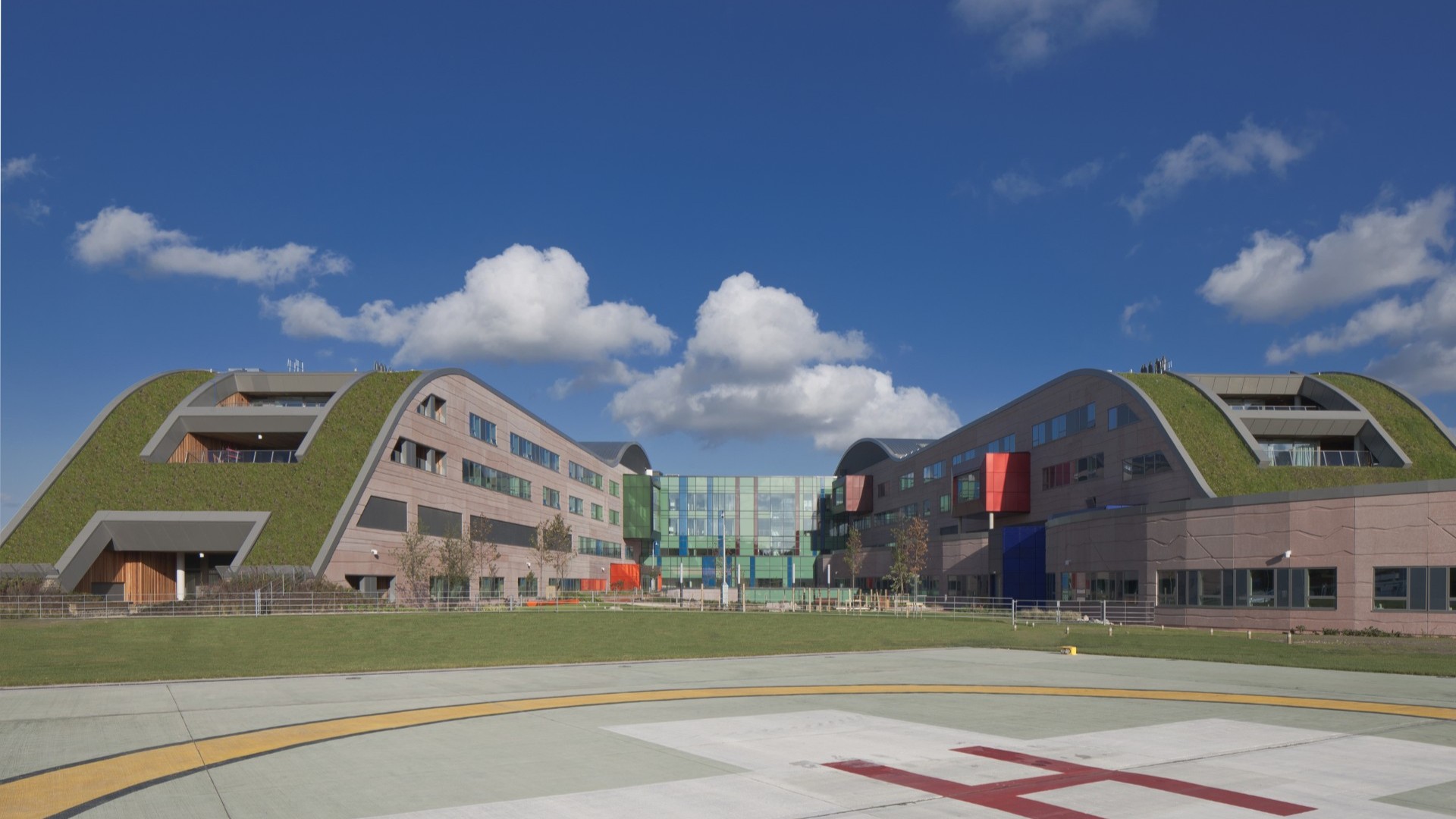
Hartree Centre and Alder Hey to tackle NHS challenges with AI
New ‘Smart’ staff rota system aims to reduce clinician admin time, support staff wellbeing and patient care.
Read More
UK–South Africa partnership uses AI to make telescopes smarter
Artificial intelligence is set to transform how South Africa’s leading astronomical observatories operate.
Read more
Transforming subsea cable protection through real-time vessel detection
STFC Hartree® Centre worked with Indeximate, a climate tech startup, to enhance their ability to reliably detect vessel activity near critical subsea cable infrastructure, strengthening Indeximate’s capability to identify risks early and prevent costly, avoidable damage.
Read moreRecent Highlights




Upcoming Events
Join Newsletter
Provide your details to receive regular updates from the STFC Hartree Centre.